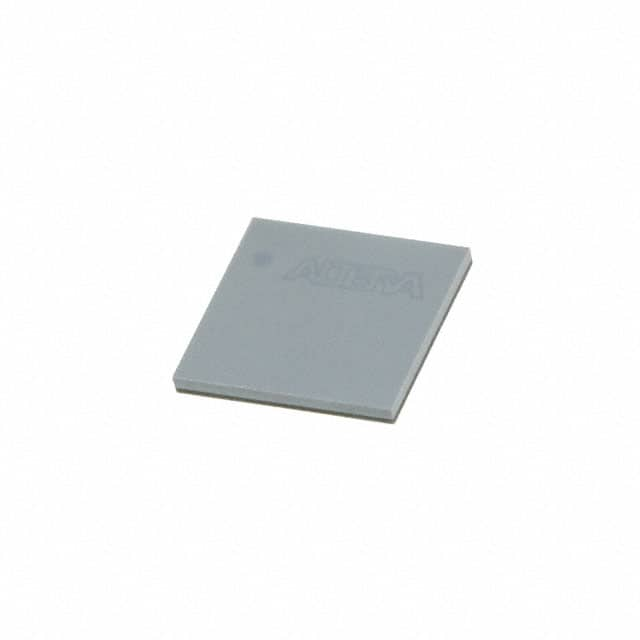
10M04SAE144I7G

Active - IC FPGA 101 I/O 144EQFP
Description:
IC FPGA 101 I/O 144EQFP
10M04SAE144I7G Specification
Product Attribute
Attribute Value
Programmable
Not Verified
Number of Logic Elements/Cells
4000
Voltage - Supply
2.85V ~ 3.465V
Mounting Type
Surface Mount
Operating Temperature
-40 ℃ ~ 100 ℃ (TJ)
Package / Case
144-LQFP Exposed Pad
Supplier Device Package
144-EQFP (20x20)
10M04SAE144I7G Description
Overview of Intel 10M04SAE144I7G
The Intel 10M04SAE144I7G is a member of the Intel MAX 10 FPGA family, designed for a variety of applications including industrial automation, automotive, and consumer electronics. This FPGA (Field Programmable Gate Array) is known for its flexibility, low power consumption, and high performance, making it suitable for both prototyping and production environments.
Key Specifications
- Device Type: FPGA
- Family: MAX 10
- Package Type: FBG144
- Number of Logic Elements: 4,000
- Maximum I/O Pins: 144
- Flash Memory: 256 Kbits
- Maximum Operating Frequency: Up to 200 MHz
- Supply Voltage: 1.2V core voltage
- Power Consumption: Low power operation, typically around 200 mW
- Temperature Range: Industrial grade, -40°C to +100°C
Architecture and Features
The Intel 10M04SAE144I7G features a unique architecture that combines programmable logic with embedded memory and DSP (Digital Signal Processing) blocks. This architecture allows for efficient implementation of complex algorithms and data processing tasks.
- Logic Elements: The FPGA consists of configurable logic blocks (CLBs) that can be programmed to perform various logic functions. Each logic element can be configured to implement combinational or sequential logic.
- Embedded Memory: It includes embedded memory blocks that can be used for data storage and buffering, enhancing the performance of applications that require fast data access.
- DSP Blocks: The device features dedicated DSP blocks that are optimized for high-speed arithmetic operations, making it ideal for applications such as digital filtering and signal processing.
I/O Capabilities
The 10M04SAE144I7G supports a wide range of I/O standards, allowing it to interface with various peripherals and systems. The I/O pins can be configured for different voltage levels and signaling standards, including:
- LVTTL: Low Voltage TTL
- LVCMOS: Low Voltage CMOS
- HSTL: High-Speed Transceiver Logic
- SSTL: Stub Series Terminated Logic
Development and Design Tools
Intel provides a comprehensive suite of development tools for the MAX 10 family, including:
- Intel Quartus Prime Software: This software suite offers a complete design environment for FPGA development, including synthesis, simulation, and programming.
- IP Cores: A variety of pre-designed intellectual property (IP) cores are available, allowing designers to quickly implement common functions such as communication protocols, memory controllers, and more.
Applications
The Intel 10M04SAE144I7G is suitable for a wide range of applications, including:
- Industrial Automation: Used in control systems, robotics, and process automation.
- Automotive: Ideal for applications such as advanced driver-assistance systems (ADAS) and infotainment systems.
- Consumer Electronics: Employed in devices requiring custom processing capabilities, such as smart home devices and wearables.
Conclusion
The Intel 10M04SAE144I7G FPGA is a versatile and powerful device that meets the demands of modern applications across various industries. With its combination of logic elements, embedded memory, and DSP capabilities, it provides a robust platform for developing innovative solutions. The support from Intel's development tools further enhances its usability, making it an excellent choice for engineers and developers looking to leverage FPGA technology.
10M04SAE144I7G Stock: 12220
5.0 / 5.0

2021-12-27 06:22
The goods are very satisfied, the seller Thank you very much.
2021-06-10 07:32
Recu in 89 days, strip, to test
2021-11-23 06:50
All ok, thank you!
2021-12-23 03:52
All right. Received within time
2021-02-06 23:42
Received perfectly. Welded a unit on its corresponding printed circuit board working perfectly to replace a faulty unit on an Arduino Nano plate.


 Lithuania