EPC2LI20

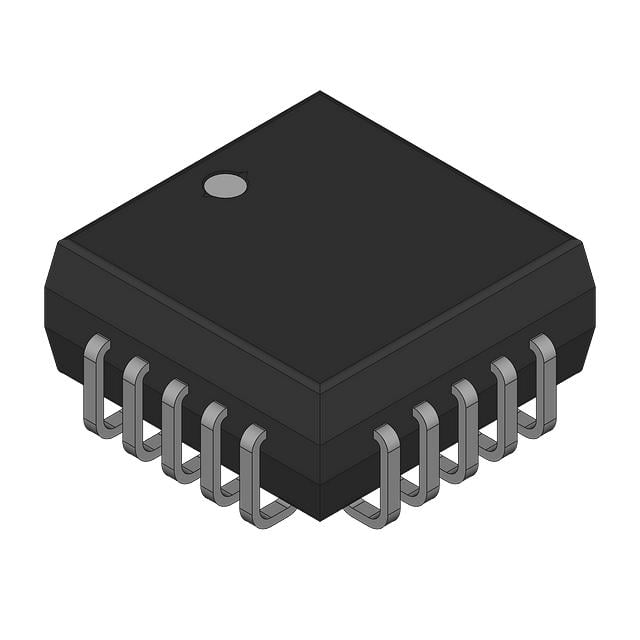
Obsolete - IC CONFIG DEVICE 1.6MBIT 20PLCC
Description:
IC CONFIG DEVICE 1.6MBIT 20PLCC
EPC2LI20 Specification
Product Attribute
Attribute Value
Programmable Type
In System Programmable
Voltage - Supply
3V ~ 3.6V, 4.5V ~ 5.5V
Operating Temperature
-40℃ ~ 85℃
Mounting Type
Surface Mount
Package / Case
20-LCC (J-Lead)
Supplier Device Package
20-PLCC (9x9)
EPC2LI20 Description
Product Overview
The Intel EPC2LI20 is a high-performance embedded controller designed to facilitate power management and control functions in complex computing and industrial systems. As part of Intel’s embedded controller portfolio, the EPC2LI20 is tailored for robust, reliable operation in demanding embedded applications such as industrial automation, server management, and communications infrastructure. This controller integrates a microcontroller core with a comprehensive set of peripherals and interfaces, enabling efficient system control, monitoring, and diagnostics.
Designed with scalability and flexibility in mind, the EPC2LI20 supports a broad range of system configurations and power management schemes. It is engineered to deliver high responsiveness, low latency, and robust security features, ensuring seamless integration into embedded platforms where real-time control and safety are paramount.
Core Architecture and Processing Capabilities
* Microcontroller Core: The EPC2LI20 is based on a 32-bit RISC architecture, optimized for low power consumption and high efficiency. This core is capable of running embedded firmware with real-time performance to handle system management tasks effectively.
* Clock Speed: Typically operates at up to 20 MHz, balancing performance with power efficiency suitable for embedded control applications.
* Memory: Equipped with on-chip Flash memory for firmware storage, usually in the range of 128 KB to 256 KB, allowing for complex program code and feature-rich applications. It also includes RAM, often sized around 8 KB to 16 KB, for runtime data processing and temporary storage.
* Instruction Set: Supports a rich instruction set optimized for embedded control, including efficient interrupt handling and power management instructions.
Peripheral Integration
* I/O Interfaces: The EPC2LI20 integrates multiple digital and analog input/output interfaces, including GPIO pins that can be configured for various functions such as PWM output, input capture, or general digital control.
* Communication Protocols: Supports multiple communication protocols, such as I²C, SPI, and UART, enabling it to interface with sensors, actuators, other controllers, and external devices. This multi-protocol support ensures compatibility with a wide variety of system components.
* Analog Features: Incorporates ADC channels with resolutions typically up to 10-12 bits for analog signal monitoring, which is crucial for power management and sensor data acquisition.
* Timers and Counters: Includes several programmable timers and counters to support real-time system events, timeouts, and precise control sequences.
* Watchdog Timer: Features an independent watchdog timer to enhance system reliability by enabling automatic recovery in case of software faults or system hangs.
Power Management Capabilities
* Voltage Monitoring: Integrated voltage supervisors and brown-out detection circuits allow the EPC2LI20 to monitor system voltage rails and take corrective action to protect the system during power fluctuations.
* Power Sequencing: Supports programmable power-up and power-down sequencing, essential for complex systems that require controlled ramping of voltages to prevent damage or operational errors.
* Low Power Modes: Multiple power-saving modes including idle, sleep, and deep sleep states reduce energy consumption during inactive periods, extending system life in battery-powered or energy-sensitive applications.
* Battery Management Support: Equipped with interfaces and control logic to assist in battery monitoring and charging management for portable and backup power systems.
Security and Reliability Features
* Secure Boot and Firmware Protection: Supports secure boot mechanisms to verify firmware authenticity during startup, protecting the system from unauthorized or corrupted code execution.
* Error Detection and Correction: Includes ECC support for memory areas to detect and correct data corruption, enhancing system stability and data integrity.
* Fail-Safe Mechanisms: Hardware and firmware features designed to detect critical system errors and initiate safe recovery procedures or controlled shutdowns.
* Watchdog and Reset Control: Provides watchdog timer and reset control functions to ensure system responsiveness and recoverability from faults.
Environmental and Mechanical Specifications
* Operating Temperature Range: Designed for industrial-grade operation, typically from -40°C to +85°C, suitable for harsh environments and extended temperature variations.
* Storage Temperature: Can withstand storage temperatures ranging from -55°C to +125°C, ensuring durability during transport and non-operational periods.
* Package: Available in compact surface-mount packages (such as QFN or TQFP), which facilitate high-density PCB layouts and reduce overall system size.
* Pin Count: Typically around 64 to 80 pins, offering extensive I/O flexibility while maintaining a manageable package size.
Performance Specifications
* Interrupt Latency: Low interrupt latency design ensures quick response to system events, critical in real-time embedded control.
* Clock Accuracy: Internal or external clock sources supporting frequency stability necessary for precise timing and control.
* Temperature Stability: Maintains consistent performance over a wide temperature range without significant drift in timing or signal integrity.
Applications
* Industrial Automation: Used in programmable logic controllers (PLCs), motor drives, and factory automation systems for robust control and monitoring.
* Server and Data Center Management: Facilitates power management and health monitoring in server power supplies and system control units.
* Telecommunications: Embedded in base stations and networking equipment for system control, power sequencing, and fault monitoring.
* Medical Devices: Powers embedded control systems requiring reliability, safety, and compliance with stringent operational standards.
* Consumer Electronics: Found in advanced embedded systems requiring power efficiency and multi-protocol communication support.
Design Considerations
* Firmware Development: Supports a rich set of development tools and debugging interfaces, allowing rapid firmware development and integration into complex embedded systems.
* Thermal Management: Designed for low power dissipation but requires proper PCB layout and possibly heat sinking in high-demand environments.
* Interface Compatibility: Flexible I/O and communication support simplifies integration with a variety of peripheral devices and external controllers.
* Regulatory Compliance: Designed to meet industry standards for electromagnetic compatibility (EMC), safety, and reliability in embedded control environments.
Conclusion
The Intel EPC2LI20 embedded controller is a versatile and robust solution for sophisticated power management and embedded control applications. Its combination of a powerful 32-bit microcontroller core, extensive peripheral set, comprehensive power management capabilities, and built-in security and reliability features make it well-suited for industrial, telecommunications, medical, and server management applications. Its design emphasizes efficiency, flexibility, and durability, allowing system designers to implement reliable and scalable embedded solutions that meet stringent operational demands in diverse environments.


 France