ST7540

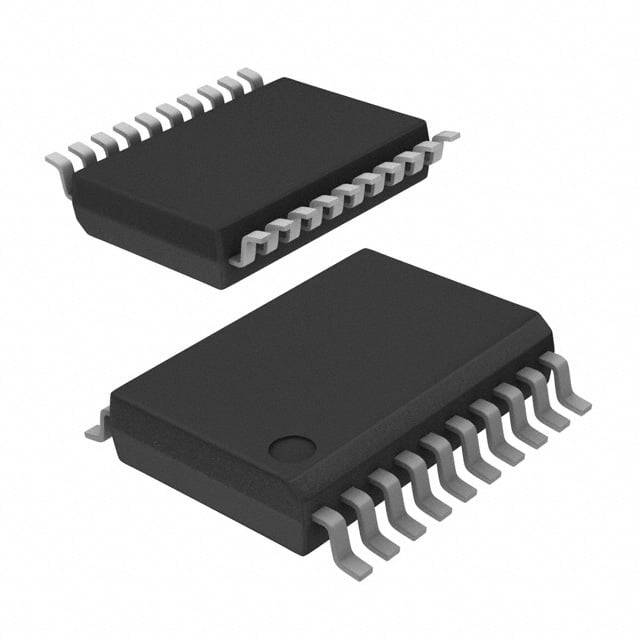
Active - IC TRANSCEIVER HALF 1/1 28HTSSOP
Description:
IC TRANSCEIVER HALF 1/1 28HTSSOP
ST7540 Specification
Product Attribute
Attribute Value
Number of Drivers/Receivers
1/1
Operating Temperature
-40 ℃ ~ 85 ℃
Mounting Type
Surface Mount
Package / Case
28-TSSOP (0.173", 4.40mm Width) Exposed Pad
Supplier Device Package
28-HTSSOP
ST7540 Description
Introduction to STMicroelectronics ST7540
The STMicroelectronics ST7540 is a highly integrated transceiver designed for the Controller Area Network (CAN) protocol, widely used in automotive and industrial applications. This device provides a reliable communication interface for microcontrollers and other digital devices, ensuring robust data transmission in noisy environments. The ST7540 is particularly well-suited for applications requiring high-speed communication, such as automotive networking, industrial automation, and medical equipment.
Key Specifications
1. Operating Voltage: The ST7540 operates within a voltage range of 4.75V to 5.25V, making it compatible with standard logic levels in most microcontroller systems. This flexibility allows it to be integrated easily into various electronic designs.
2. Data Rate: The transceiver supports data rates up to 1 Mbps, which is essential for applications that require fast and efficient communication between nodes on the CAN bus.
3. Bus Interface: The ST7540 features a differential bus interface that enhances noise immunity and allows for long-distance communication over twisted-pair cables. This design minimizes electromagnetic interference (EMI), making it ideal for automotive environments where electrical noise is prevalent.
4. Temperature Range: Designed for demanding applications, the ST7540 operates reliably over an extended temperature range from -40°C to +125°C. This wide temperature tolerance ensures consistent performance in harsh environments typical of automotive and industrial settings.
5. Low Power Consumption: The device has been engineered for low power operation, consuming only 10 mA in normal mode and less than 1 µA in sleep mode. This feature is crucial for battery-powered applications or systems where energy efficiency is a priority.
6. Fault Tolerance: The ST7540 includes built-in protection features such as thermal shutdown and short-circuit protection, enhancing its reliability in critical applications. These safety mechanisms prevent damage during fault conditions, ensuring longevity and stability.
7. Transmitter and Receiver Features:
- Transmitter Output Voltage Levels: The output voltage levels are compliant with ISO 11898 standards, ensuring compatibility with other CAN devices.
- Receiver Sensitivity: The receiver can detect signals down to ±200 mV differential input voltage, allowing it to work effectively even in noisy environments.
8. Standby Mode: The device features a low-power standby mode that can be activated by an external control signal, further reducing power consumption when the transceiver is not actively communicating.
9. Pin Configuration: The ST7540 is available in a compact SO-8 package, which simplifies PCB layout and integration into various designs while minimizing space requirements.
10. Integrated Features: It includes internal filtering to reduce electromagnetic interference (EMI), enhancing the overall robustness of the communication link.
Applications
The versatility of the ST7540 makes it suitable for a wide range of applications:
- Automotive Systems: Used extensively in vehicle communication networks such as engine control units (ECUs), body control modules (BCMs), and infotainment systems.
- Industrial Automation: Ideal for connecting sensors and actuators within industrial control systems where reliable data exchange is critical.
- Medical Devices: Employed in medical equipment requiring robust communication links between various components while adhering to stringent safety standards.
- Home Automation: Suitable for smart home devices that utilize CAN protocols for inter-device communication.
Development Support
STMicroelectronics provides comprehensive development resources to support engineers working with the ST7540 transceiver. Evaluation boards are available that allow designers to test the device's functionality in real-world scenarios quickly. Additionally, application notes and design guidelines help streamline integration into existing systems.
Software libraries compatible with popular microcontroller platforms simplify the implementation of CAN communication protocols, enabling developers to focus on their application logic rather than low-level details of CAN bus management.
Conclusion
The STMicroelectronics ST7540 transceiver stands out as a robust solution tailored for high-speed CAN communications across various industries, particularly automotive and industrial sectors. With its advanced specifications—including high data rates, wide operating temperature range, low power consumption, and built-in fault tolerance—it equips engineers with the necessary tools to create reliable embedded systems capable of functioning effectively even in challenging environments. As industries increasingly adopt advanced networking solutions, devices like the ST7540 will play an essential role in facilitating seamless communication between components within complex electronic architectures.


 Brazil