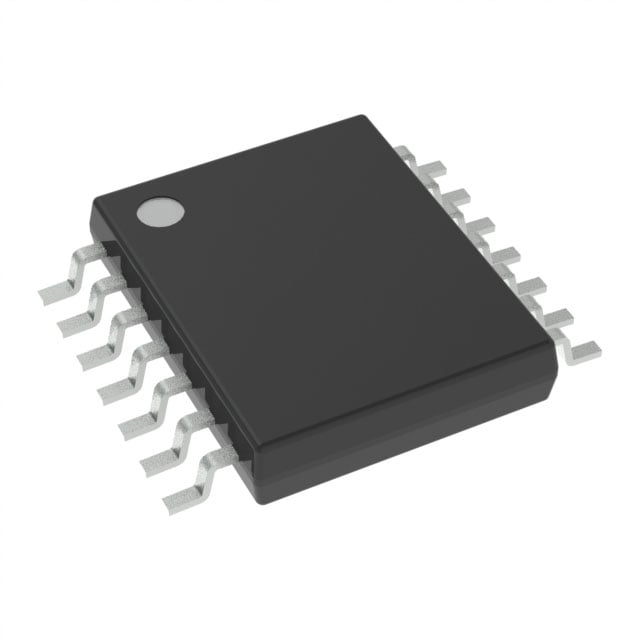
DRV134UA/1K

Active - IC LINE DRIVER 16SOIC
Description:
IC LINE DRIVER 16SOIC
DRV134UA/1K Specification
Product Attribute
Attribute Value
Packaging
Tape & Reel (TR)
Applications
Pre-Amplifier, Professional Audio
Voltage - Supply
?.5V ~ 18V
Operating Temperature
-55 ℃ ~ 125 ℃ (TA)
Specifications
Differential Output
Mounting Type
Surface Mount
Package / Case
16-SOIC (0.295", 7.50mm Width)
Supplier Device Package
16-SOIC
DRV134UA/1K Description
The Texas Instruments DRV134UA/1K is a precision audio differential line driver designed to convert single-ended signals into differential signals for high-quality audio applications. It is especially suitable for professional audio equipment, consumer electronics, and automotive audio systems where high fidelity and low distortion are essential. Below is a detailed introduction to its features, specifications, and performance.
Key Features of DRV134UA/1K
The DRV134UA/1K excels in providing high-performance differential signal transmission with low total harmonic distortion (THD) and low noise. It is designed to meet the needs of systems requiring high-quality audio signal processing, particularly in environments with strict requirements for signal integrity and power efficiency.
* Single-Ended to Differential Conversion: The DRV134UA/1K efficiently converts a single-ended input signal into a differential output. This capability makes it ideal for applications where single-ended audio sources need to be transmitted over long distances or used in balanced systems.
* Low Total Harmonic Distortion (THD): The device achieves less than 0.001% THD+N at 1 kHz, ensuring that audio signals remain faithful and true to the original source.
* Wide Supply Voltage Range: The DRV134UA/1K operates over a wide voltage range from ±4.5V to ±18V, which is suitable for a wide variety of audio systems.
* Low Power Consumption: The device is designed to be power-efficient, making it suitable for portable and battery-powered applications.
* High Output Drive Capability: It can drive low-impedance loads, ensuring compatibility with various audio systems and speakers.
Electrical Characteristics
* Supply Voltage: The DRV134UA/1K supports a wide supply voltage range, from ±4.5V to ±18V, with a typical operating voltage of ±15V. This flexibility allows it to work in different audio system architectures.
* Output Swing: The output swing of the differential output is typically ±10V, allowing for a strong signal that can be transmitted over longer cables without significant loss or degradation.
* Output Impedance: The output impedance is typically 0.4 Ω (at 1 kHz), ensuring that the output signal remains stable and maintains quality when driving loads.
* Current Consumption: The device has a low quiescent current consumption, typically around 10 mA, which is ideal for battery-powered systems.
* Power Supply Rejection Ratio (PSRR): The PSRR is 80 dB, which ensures minimal influence from power supply noise on the output signal, leading to cleaner audio performance.
* Differential Output Voltage: The typical differential output is 20V peak-to-peak, ensuring that the signal is robust enough for long-distance transmission without significant degradation.
Signal Integrity and Performance
* Total Harmonic Distortion (THD+N): The DRV134UA/1K provides ultra-low distortion, with THD+N typically less than 0.001% at 1 kHz and 0.003% at 20 kHz. This ensures that the output signal remains a faithful reproduction of the input, without introducing unwanted harmonic distortion or noise.
* Noise Performance: The device offers excellent noise performance, with a typical noise floor of -110 dB, making it ideal for high-fidelity audio applications.
* Cross-Talk: The device features excellent cross-talk performance with more than 100 dB of channel separation. This ensures that there is minimal interference between the differential outputs, preserving the integrity of the audio signal.
Package and Pinout
* Package Type: The DRV134UA/1K comes in an SOIC-8 package, which provides a compact, space-efficient solution for applications with limited PCB real estate.
* Pins and Functions: The SOIC-8 package includes pins for input, output, and power supply connections. The input pins are typically used for the single-ended audio signal, while the output pins provide the differential audio signal. The device also includes pins for the positive and negative power supply rails.
Applications
The DRV134UA/1K is used in various audio applications, including:
* Professional Audio Systems: It is ideal for use in audio equipment that requires high-quality signal processing, such as mixers, audio interfaces, and recording equipment.
* Consumer Audio Systems: The device can be used in home theater systems, soundbars, and audio amplifiers to enhance sound quality.
* Automotive Audio Systems: The DRV134UA/1K is suitable for automotive audio applications where high-quality sound reproduction is needed, such as in car amplifiers and infotainment systems.
* Telecommunication Systems: The device can be used in telecom equipment where differential signaling is required for data transmission or audio signal conversion.
Key Specifications
* Supply Voltage Range: ±4.5V to ±18V (typical ±15V)
* Output Swing: ±10V differential output (typical)
* Total Harmonic Distortion (THD+N): < 0.001% at 1 kHz
* Power Supply Rejection Ratio (PSRR): 80 dB
* Output Impedance: 0.4 Ω (typical at 1 kHz)
* Differential Output Voltage: 20V peak-to-peak (typical)
* Noise Floor: -110 dB (typical)
* Current Consumption: 10 mA (typical)
* Package Type: SOIC-8
* Pins: 8
Conclusion
The Texas Instruments DRV134UA/1K is a high-performance audio differential line driver that is widely used in both professional and consumer audio systems. Its precision signal conversion, low distortion, and robust power supply rejection make it an ideal choice for a variety of applications where signal integrity is paramount. Whether in professional audio equipment, automotive audio systems, or telecommunications, the DRV134UA/1K offers a reliable and efficient solution for converting single-ended signals into differential audio signals. Its compact form factor and low power consumption make it a versatile and efficient component in modern audio designs.


 Netherlands