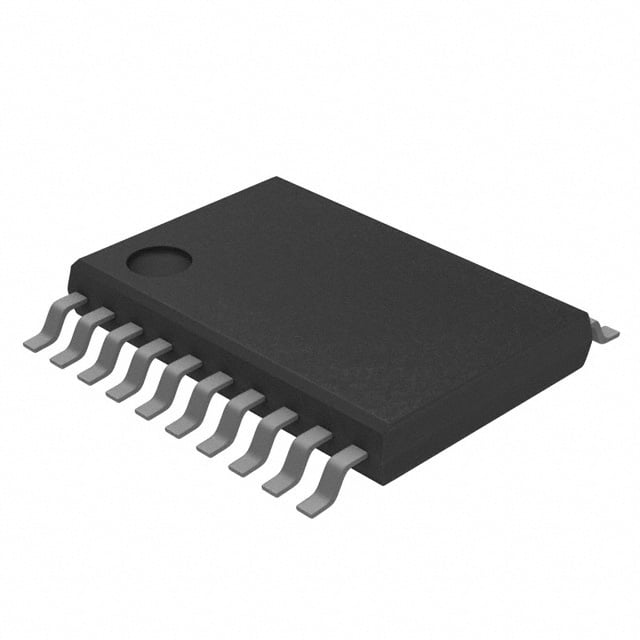
MSP430FR2111IPW16R

Active - IC MCU 16BIT 3.75KB FRAM 16TSSOP
Description:
IC MCU 16BIT 3.75KB FRAM 16TSSOP
MSP430FR2111IPW16R Specification
Product Attribute
Attribute Value
Packaging
Tape & Reel (TR)
Core Processor
MSP430 CPU16
Connectivity
I2C, SCI, SPI, UART/USART
Peripherals
Brown-out Detect/Reset, POR, PWM, WDT
Program Memory Size
3.75KB (3.75K x 8)
Voltage - Supply (Vcc/Vdd)
1.8V ~ 3.6V
Data Converters
A/D 8x10b
Operating Temperature
-40 ℃ ~ 85 ℃ (TA)
Mounting Type
Surface Mount
Package / Case
16-TSSOP (0.173", 4.40mm Width)
Supplier Device Package
16-TSSOP
MSP430FR2111IPW16R Description
The Texas Instruments MSP430FR2111IPW16R is a microcontroller in the MSP430 family, which is well known for its ultra-low-power consumption and versatile features. This microcontroller is based on the MSP430FR2000 series and is ideal for applications that require low-power operation, real-time performance, and various connectivity options. It integrates a range of features that are essential for embedded systems in consumer electronics, industrial automation, sensor systems, and other battery-powered applications.
### Key Features and Applications
The MSP430FR2111IPW16R is a 16-bit microcontroller that is equipped with a variety of integrated peripherals, making it suitable for a wide range of applications. The device’s low power consumption and extensive set of features enable it to be used in battery-operated devices, energy-efficient systems, and real-time processing applications. It is equipped with 32KB of FRAM (Ferroelectric RAM), which offers fast, non-volatile memory with low power consumption.
Due to its small form factor, low energy usage, and high integration, this microcontroller is commonly used in applications like remote sensors, low-power IoT devices, medical equipment, and portable battery-powered systems.
### Specifications
* Core: MSP430 16-bit RISC architecture
* CPU Clock Speed: Up to 16 MHz
* Flash Memory: 32KB FRAM (Ferroelectric RAM)
* RAM: 2KB SRAM
* Operating Voltage Range: 1.8V to 3.6V
* Operating Temperature Range: -40°C to +85°C (commercial)
* Package Type: TSSOP-16 (16 pins)
* GPIO Pins: 16 I/O pins
* Timers: 1x 16-bit timer (Timer\_A) with up to 3 capture/compare registers
* ADC (Analog to Digital Converter): 10-bit, 8-channel, up to 200ksps (kilohertz per sample)
* Communication Interfaces:
* 1x USI (Universal Serial Interface)
* 1x UART
* I2C compatible
* Watchdog Timer: Yes (for system safety and recovery)
* Low-Power Modes: Multiple low-power modes (LPM0, LPM1, LPM2) for energy efficiency
* Integrated Voltage Reference: 1.5V internal voltage reference (V\_ref)
* Clock Source: 16 MHz DCO (Digitally Controlled Oscillator) or external clock sources
* Interrupts: Multiple interrupt sources and vector-based interrupt system
* On-Chip Debugging: JTAG and SWD (Serial Wire Debug) support for debugging
### Performance Characteristics
* Low Power Consumption: One of the standout features of the MSP430FR2111IPW16R is its ultra-low power consumption. The microcontroller is designed to operate in a range of low-power modes (LPM) to optimize energy use, making it ideal for battery-powered systems. The device is capable of drawing as little as 0.5µA in low-power modes while still maintaining the ability to wake up quickly when required.
* Fast and Efficient FRAM: The MSP430FR2111 features 32KB of FRAM, which combines the benefits of fast read/write operations and non-volatility (data retention even during power loss). FRAM offers better performance than traditional Flash memory in terms of speed and endurance, making it suitable for applications that require frequent data writes while maintaining low power consumption.
* 16-bit CPU: The microcontroller uses a 16-bit RISC processor core, providing a good balance between processing power and power efficiency. The CPU can run at speeds up to 16 MHz, making it capable of handling real-time processing tasks with minimal latency.
* Analog Features: The device includes a 10-bit ADC with 8 input channels, making it suitable for analog signal acquisition. This allows the MSP430FR2111IPW16R to interface with a wide variety of sensors in industrial, automotive, or consumer electronics applications.
* I/O and Communication: The 16 I/O pins support multiple functions, including general-purpose input/output, analog-to-digital conversion, and communication protocols like I2C and UART. This makes the MSP430FR2111IPW16R versatile for a wide range of peripheral interfaces and communication tasks.
* Timers and Pulse Width Modulation (PWM): The microcontroller includes a 16-bit timer with multiple capture/compare registers, enabling the generation of PWM signals for motor control, LED dimming, and other applications requiring precise time management.
### Peripheral Integration
* USI (Universal Serial Interface): The MSP430FR2111 features a USI module for serial communication, which can be used for I2C or SPI protocols. This enables easy communication with other devices, such as sensors or external memory.
* Watchdog Timer: The integrated watchdog timer provides an essential safety mechanism, ensuring that the microcontroller can recover from unexpected conditions by resetting the system if necessary.
* Voltage Reference: The built-in 1.5V internal reference is useful for applications that require accurate ADC conversions, particularly in low-power, sensor-driven designs.
### Power Efficiency and Low-Power Modes
The MSP430FR2111IPW16R offers multiple low-power modes (LPM0, LPM1, LPM2), which enable designers to fine-tune their application’s power consumption based on operational needs. For example, the device can remain in a low-power state while monitoring external events or sensors, only waking up to process data or respond to interrupts when necessary.
This is particularly important in battery-powered applications where extending battery life is critical. The microcontroller’s ability to enter ultra-low-power states without sacrificing the ability to respond to external stimuli makes it suitable for long-life applications such as remote sensors, energy-efficient IoT devices, and portable equipment.
### Applications
The MSP430FR2111IPW16R is widely used in a variety of applications, including:
* Battery-Powered Devices: Due to its ultra-low power consumption, this microcontroller is ideal for wearable devices, portable medical equipment, and wireless sensors.
* Industrial Automation: The device can be used in control systems for industrial equipment, sensor interfacing, and motor control.
* IoT (Internet of Things): The MSP430FR2111 is frequently used in IoT applications where power efficiency and communication capabilities are important. It can communicate with other IoT devices using protocols like I2C or UART.
* Sensor Applications: The onboard ADC and low-power operation make the device perfect for sensor-driven applications such as temperature, humidity, or pressure sensing.
* Medical Devices: In healthcare, this microcontroller is used for monitoring systems that require real-time data processing and low power for extended operation.
### Development Tools
Texas Instruments offers several development tools to support the design and programming of the MSP430FR2111IPW16R:
* Code Composer Studio: An integrated development environment (IDE) that provides code editing, debugging, and optimization features for the MSP430 family of microcontrollers.
* Energia: An open-source IDE based on the Arduino platform that allows for easy programming of MSP430 microcontrollers, making it a great choice for rapid prototyping.
* MSP430FR2111 LaunchPad Development Kit: A low-cost evaluation board that enables engineers to quickly start development and test the microcontroller’s capabilities.
### Conclusion
The Texas Instruments MSP430FR2111IPW16R is a feature-rich, ultra-low-power microcontroller that offers high performance, low power consumption, and extensive peripheral integration. Its FRAM memory, analog-to-digital conversion capabilities, and communication interfaces make it an excellent choice for a wide range of embedded applications, from IoT devices to industrial systems. With multiple low-power modes, fast wake-up times, and a small package, it is particularly suited for battery-operated and energy-efficient designs.


 France